

A first step to a healthier, more comfortable home with lower energy bills
Are you concerned about the rising cost of keeping your home comfortable in summer and winter? You probably know people making changes to cut their household energy bills. You might even know some changes that would lower your home energy usage, but it can be hard to know where to start.
Kris, a local resident, was in the same situation. He had already researched ways to improve his home’s performance, but wasn’t sure how to identify the most important improvements.
Start with a home energy assessment
Kris learned about home energy assessments. A professional assessor could review his home to see how it currently performs and help him prioritize efficiency and electrification improvements to get the benefits he wanted. He reached out to Tim Forcey, an experienced home energy assessor, and scheduled an assessment.
Tim completed an on-site inspection to gather the following details:
- Home design, insulation, window types, shading, etc
- Efficiency of major appliances such as heaters/coolers and hot water systems
- Any existing solar panels/battery
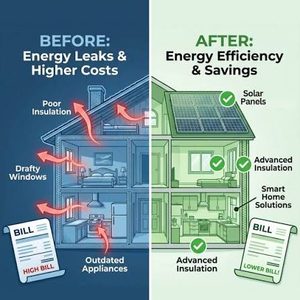
Kris reviewed the assessment with Tim and was surprised to learn how “leaky” his house was, allowing warm air out in winter and hot air in during summer. To stop the leaks, Tim recommended Kris draughtproof by sealing gaps around doors and windows. Tim also recommended improving the insulation in ceilings and walls to maintain a comfortable indoor temperature. To stop direct sunlight heating the home during the summer, Tim recommended external shading on windows, particularly the western facing ones. Tim says these three issues are very common in Melbourne homes.
Kris immediately acted on Tim’s insulation recommendation, with ceiling, wall and underfloor insulation now completed. Draughtproofing is a work in progress, as Kris has found sealing leaks is not always a straightforward process, “Caulking gaps between the floorboard and skirting needs confirmation from the flooring vendor. Hybrid floors normally need the gap uncaulked to accommodate movement of the floorboard.” Kris is planning to get double-glazed windows as the next improvement on his list.
For Kris, better comfort was the main driving force for making changes as he is already using a solar and battery system that keeps his energy costs low. Since improving the insulation he has noticed indoor temperatures are more stable and, interestingly, he hears less outside noise. When asked what advice he would give to anyone considering a home energy assessment, Kris simply said, “Get it done. It’s worth it.”
Finding an accredited assessor
In July 2026, previous home energy assessment programs were replaced with the nationally administered NatHERS Existing Homes (NEH) scheme. It’s based on the National Home Energy Rating Scheme (NatHERS) which has been providing energy ratings for new Australian homes since 1993.
The Home Energy Rating website run by NatHERS contains a list of accredited assessors. You can search for assessors who work in your neighbourhood.
Many Councils are members of the Council Home Energy Program which offers the services of local, accredited home energy assessors.
The assessment cost will vary depending on the provider and size of your home. The typical price range is $450 to $600.
Home Energy Rating Certificate
After the onsite visit, an accredited assessor will provide you with a Home Energy Rating certificate that contains a Star Rating, a Home Energy Rating, estimated annual energy usage, and home upgrade guidance. The Home Energy Rating website has sample certificates and guides that explain how to use the certificate information.
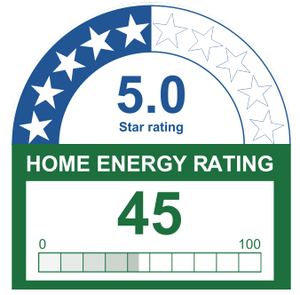
Star Rating – estimates how much energy your home needs to remain comfortable during the year. Homes are rated from 0 to 10 Stars. A low Star rating home is uncomfortable, requiring a lot of energy to heat in winter and cool in summer.
- The average Star rating for Melbourne homes built before 2005 is only 1.8.
- Going from 1.8 to 7 Stars reduces the energy needed for heating and cooling by about 80%.
Home Energy Rating – an estimate of annual energy usage which is used to score the home between 0 and 100.
- The lower the score, the higher the energy used for heating, cooling, hot water and other appliances.
- Homes with rooftop solar and a battery can offset the electricity generated against the energy used to achieve a score of 100, indicating it is a net zero energy home.
Common improvements
The Home Energy Rating certificate helps you understand how much energy your home is using and, importantly, what changes could make the biggest difference in improving comfort and cutting costs.
Kris’ experience shows the most common ways to improve your Star Rating using better insulation, draughtproofing and window shading.
Improving your Home Energy Rating means changing to efficient, electrical appliances and can be done as appliances reach the end of their working life. A common change is moving from gas heating to reverse cycle air conditioning, which has the added benefit of cooling the home in summer. Swapping gas hot water to a heat pump hot water system is another significant improvement. Installing rooftop solar and a home battery would offset the energy used by your home, increasing your Home Energy Rating.
When getting quotes for appliance replacements, remember to explore financing options. Improvements to the Home Energy Rating can be funded with lower or zero interest “Green Upgrade” top-ups on existing home loans. After getting the necessary approvals, this money can be used to pay for upgrades such as better insulation, draught-proofing, a hot water heat pump or solar panels.

Lower energy bills
Sustainability Victoria research showed how much money can be saved by making changes to improve a home’s Star Rating and Energy Rating.
Improving a home’s Star Rating with better insulation, draught-proofing and window coverings saves, on average, over $400 per year in energy bills.
Combining improvements in the Star Rating with upgrading to efficient electrical appliances to increase the Energy Rating can cut energy bills by 40%. For a home with an annual energy bill of $2800, that’s a saving of $1100 per year.
Increased comfort and health
Improving a home’s Star Rating also translates into increased comfort and health for the residents because of reduced condensation during the winter and more comfortable indoor temperatures all year round. The Victorian Healthy Homes Program estimated average healthcare savings of almost $900 per person each year after completing Star Rating improvement projects in their home.
Lower mortgage payments
A Home Energy Rating certificate from a home energy assessment can open the door to lower mortgage rates under “Green Home Loan” programs. These loans offer discounts or incentives for energy-efficient homes with strong environmental credentials, solar upgrades or high energy ratings. If a home has a Star Rating of 7 or more, several banks offer a lower standard variable interest rate across the main home loan balance. Completing improvements to bring your Star Rating up could make you eligible for these Green Home Loan programs which lower your mortgage payments.

DIY energy assessment is an option
A do it yourself energy assessment is a quick way of spotting obvious reasons why a home is cold in winter and hot in summer. Where are the draughts? Are there problems with the ceiling insulation – missing sections, thin sections, etc? Which windows get direct, unshaded sunlight in the middle of a summer’s day? This can allow you to identify simple changes with minimal cost to put into practice right away, helping to lower your bills and raise your comfort.
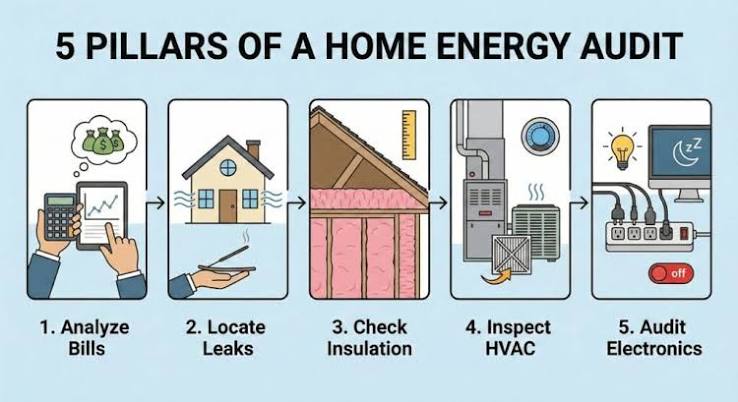
The YourHome Minor Home Upgrades website contains recommendations on how to spot the most likely problems, as well as advice about how to make improvements.
Ask if your local Library offers a DIY home energy audit kit for free loan. These easy to use kits come complete with step by step guides for identifying issues affecting energy bills. For example, a thermal imaging camera can be used to spot draughts around window frames and poor insulation in ceilings.